For years, I have been fascinated by the idea of Sifar. In the languages of my childhood, Sifar means zero. But I have never understood zero simply as emptiness. Influenced by Sufi thought, I think of it as a fertile void that holds what has been erased alongside the possibilities of what has yet to emerge.
This idea shaped my earlier abstract paintings, which I called SifarScapes. I was interested in what remains when recognizable forms disappear. Can something be absent yet leave a presence? Can color, gesture, and texture evoke histories that are no longer visible? I thought of myself as a liminal cartographer, attempting to map territories that exist somewhere between memory, absence, and possibility.
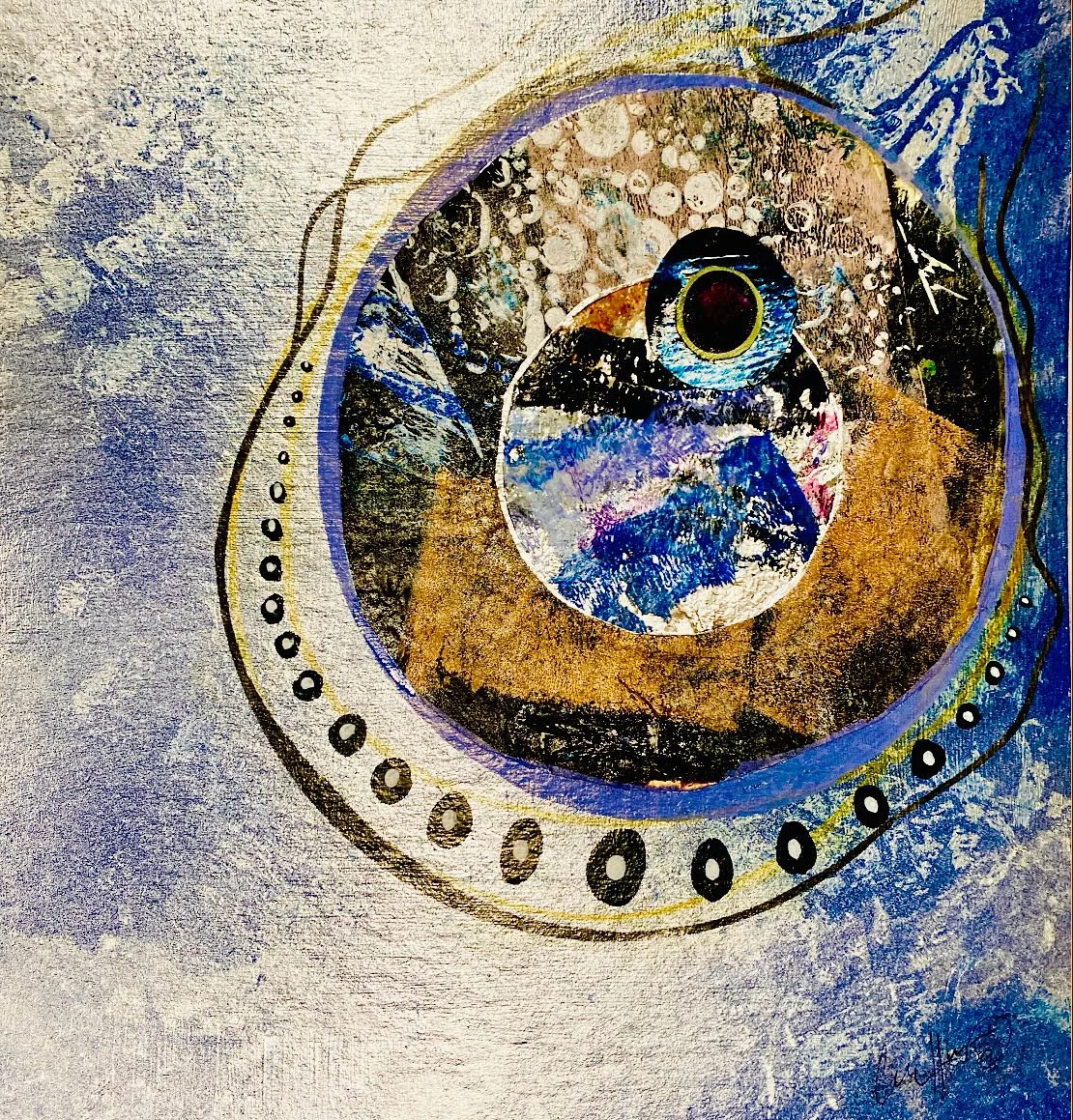
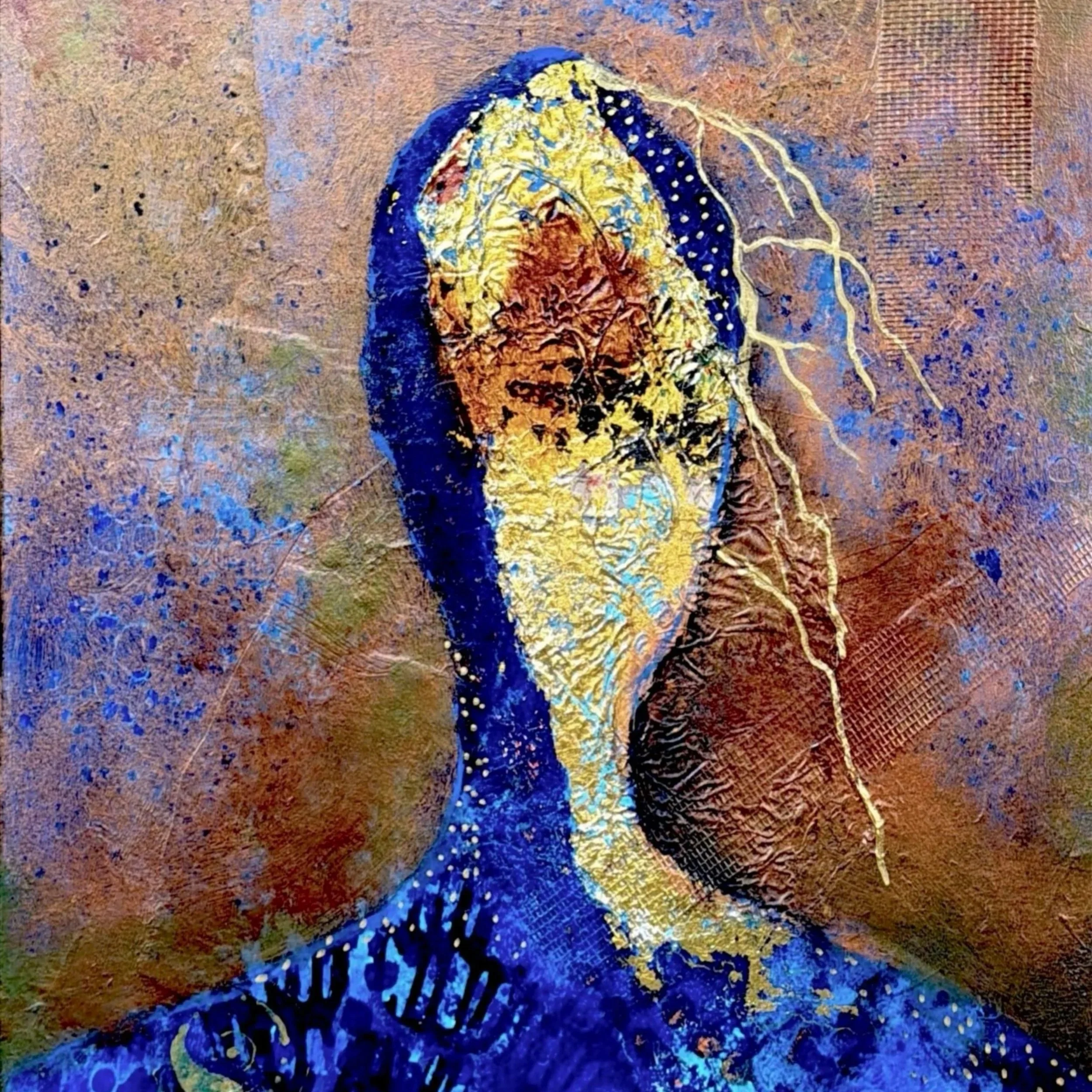
When I began making Skin Portraits, I found myself returning to these questions in an unexpected way. The territory I was mapping had shifted from abstract landscapes to the human body. Skin became a liminal surface between our inner and outer worlds, carrying traces of experiences, inheritances, and transformations that shape who we are.
And the void found a new home in the face.
In conventional portraiture, the face is often where identity appears most concentrated. We look to it for recognition, emotion, and evidence of an individual life. Removing it creates a paradox: the figure is unmistakably human, yet the very place where we expect to encounter that humanity remains undefined.
I began thinking of this space as another kind of Sifar. Not an empty face, but one that holds the possibility of multiple identities, histories, and ways of being without insisting that any one of them is definitive. The absence can be unsettling, suggesting erasure or invisibility. Yet it can also resist the limitations of a fixed identity.
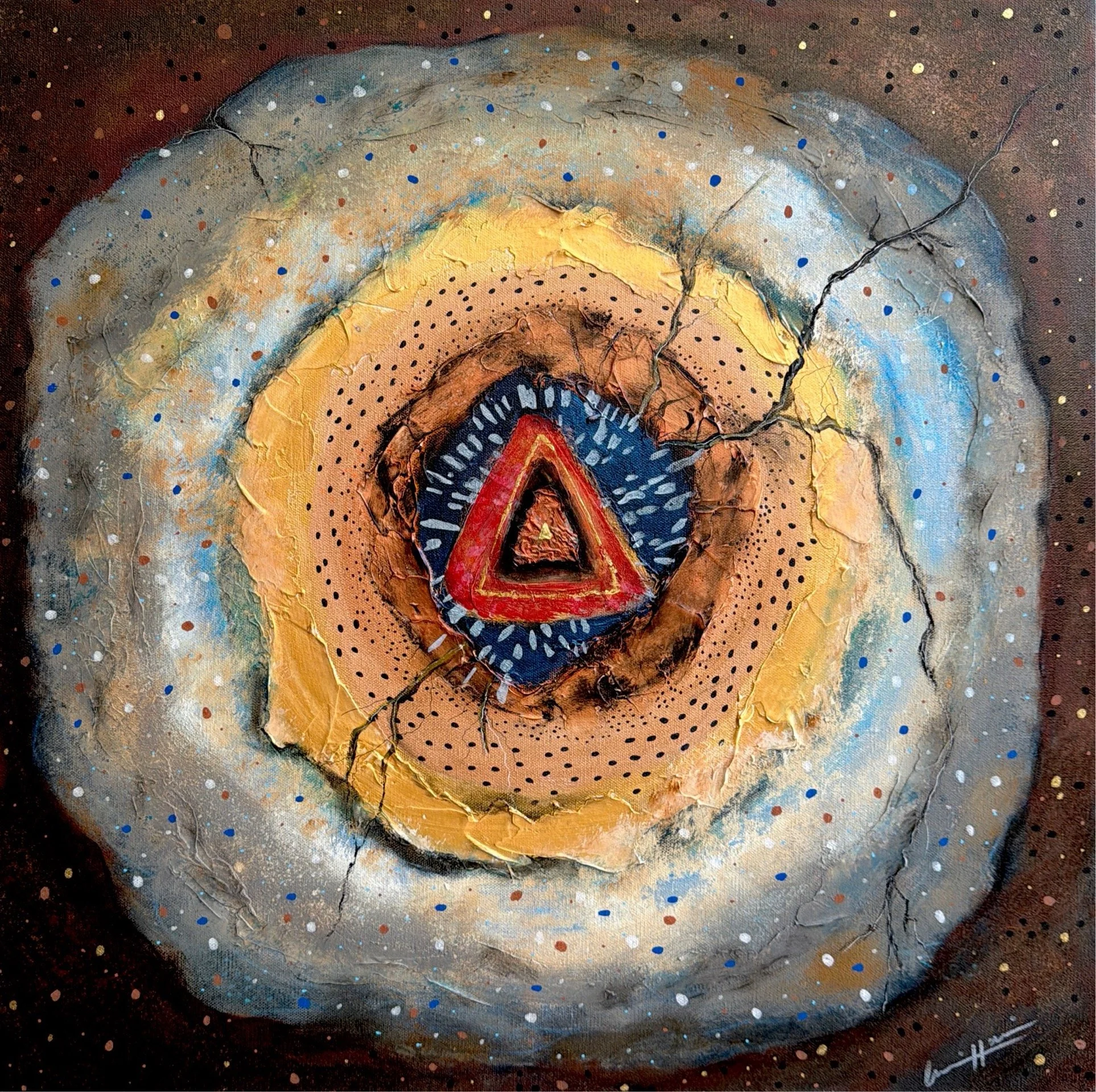
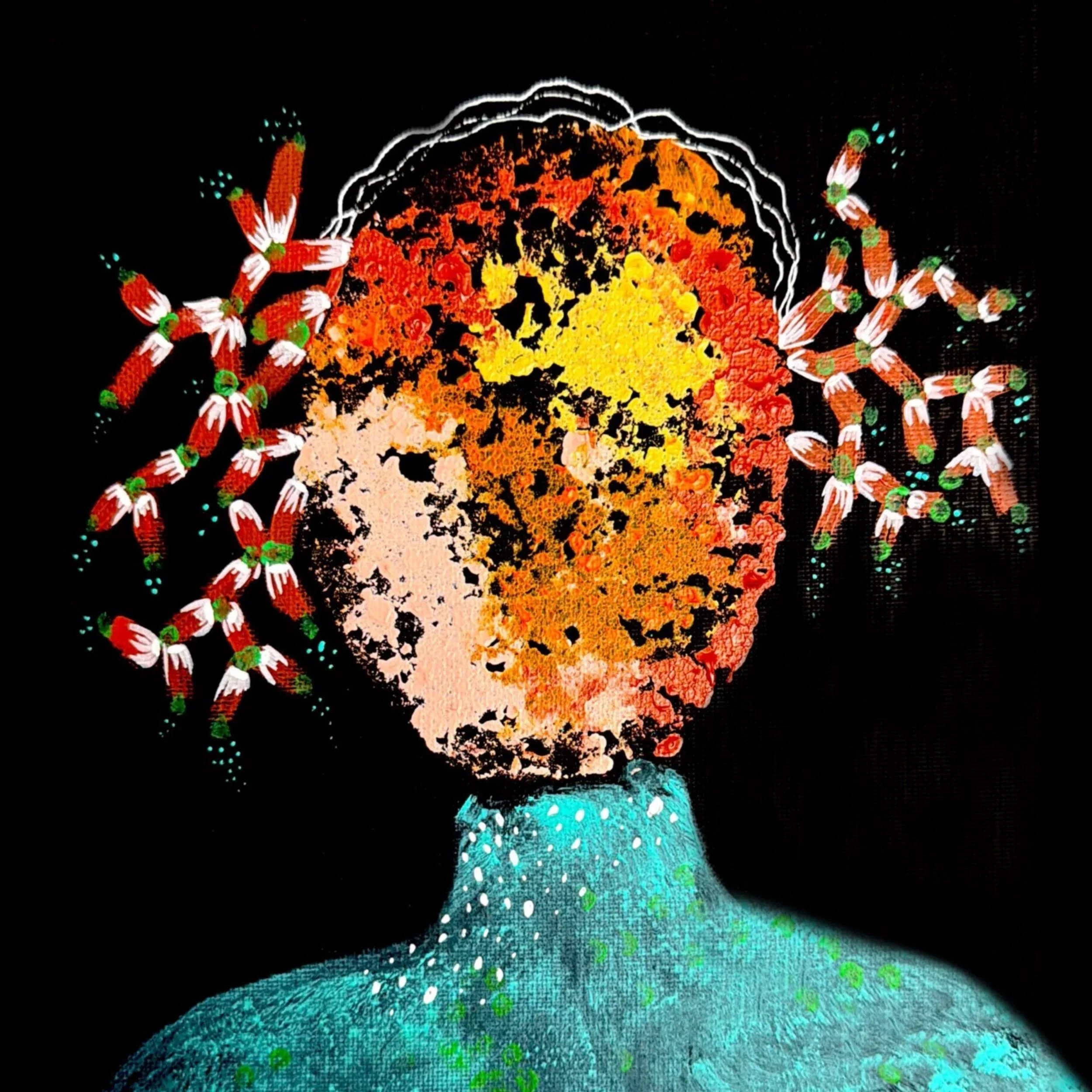
In both SifarScapes and Skin Portraits, I am mapping what cannot be fully seen. What has disappeared may still leave its mark. What remains undefined may still be full of possibility.